
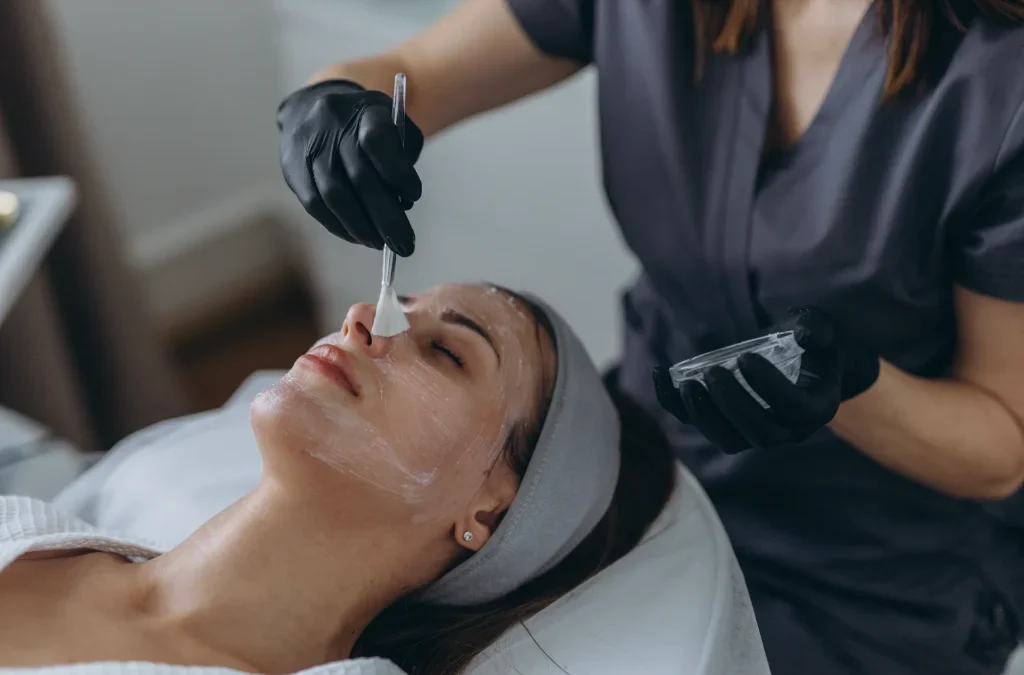
Chemical peels are a powerful way to improve skin tone, texture, and overall appearance. But not all peels are created equal — and not every peel is right for every skin type. Whether you’re dealing with acne scars, dryness, or sensitive skin, finding the right chemical peel treatment starts with understanding how different formulas interact with your skin.
If you’ve ever searched chemical peels near me in Bend or Redmond, OR, and felt overwhelmed by the options, this guide from the experts at Deschutes Dermatology will break it down.
What Is a Chemical Peel?
A chemical peel procedure involves applying a solution to the skin to remove dead cells, stimulate collagen production, and encourage fresh, healthy skin to surface. It’s commonly used on the face, but can also treat the neck, chest, and hands.
There are three main types of facial chemical peels:
- Superficial/light peels: Use mild acids like alpha hydroxy acid (AHA) for gentle exfoliation.
- Medium peels: Use trichloroacetic acid (TCA) to penetrate deeper and target fine lines, acne scars, and sun damage.
- Deep peels: Use stronger solutions like phenol for more dramatic results — often requiring more downtime.
Match Your Skin Type to the Right Peel
Different skin types respond best to different peels. Here’s a breakdown to guide your choice:
Chemical Peels for Oily or Acne-Prone Skin
- Best match: Salicylic acid or glycolic acid peels
- Why: These exfoliate deeply, unclog pores, and help reduce breakouts and shine.
- Bonus: Great for chemical peels for acne scars, especially when used in a series.
Chemical Peels for Dry Skin
- Best match: Lactic acid or mandelic acid peels
- Why: These hydrate while exfoliating, making them ideal for dry, flaky skin.
- Note: Always follow with a solid moisturizing routine post-treatment.
Chemical Peels for Sensitive Skin
- Best match: Low-concentration AHA peels
- Why: Gentle and less likely to cause irritation.
- Tip: Work with a dermatologist for chemical peels who can tailor the strength to your skin’s tolerance.
Chemical Peels for Combination Skin
- Best match: Custom blends or alternating peels
- Why: You may need different solutions for different areas (e.g., T-zone vs. cheeks).
- Solution: Start with a consultation to create a personalized plan.
Recovery from a Chemical Peel
- Most light peels require minimal downtime.
- Medium peels may cause flaking and redness for a few days.
- Deep peels involve several weeks of recovery and should only be done under medical supervision.
For a deeper dive, read our blog on what to expect from chemical peels.
Not Sure What to Choose? Ask a Dermatologist
The benefits of chemical peels can be significant, but the wrong peel can do more harm than good. That’s why professional guidance matters. A board-certified dermatologist will assess your skin type, goals, and medical history to recommend the safest and most effective treatment.
Explore our chemical peels treatment in Bend, OR to see options available and schedule your visit.
Reveal Your Best Skin: Schedule Your Consultation
Choosing the right chemical peels procedure isn’t about guessing — it’s about matching your skin’s needs to expert-backed care. If you’re in Bend or Redmond, OR, our dermatology team is here to help you achieve visible results safely. Schedule your chemical peel consultation today — fill out our online form to get started.
Recent Comments